


🌿 The Amazon Rainforest: Myths and Facts
The Amazon rainforest is one of the world's most impressive ecosystems. Its importance for the global climate and biodiversity is enormous—but also greatly misunderstood. At Made By Forest, we educate and demonstrate how we can protect the Amazon together.
🌿 Myth 1: The Amazon is the “lungs of the Earth”
It is often claimed that the Amazon produces 20% of the world's oxygen. In fact, the rainforest produces oxygen, but consumes it through respiration and decomposition processes. The majority of oxygen in the atmosphere comes from marine algae and phytoplankton.
The true significance of the Amazon lies in its function as a carbon sink. The forest sequesters enormous amounts of CO₂ annually, helping to slow climate change. But deforestation releases stored carbon, amplifying the greenhouse effect.
Source: National Geographic
Myth 2: The Amazon is untouched and indestructible
Unfortunately, the Amazon is far from pristine. Estimates show that approximately 20% of its original area has already been destroyed. If this loss reaches 25%, the forest could cross a tipping point and transform into a savannah that no longer fulfills the same ecological functions.
Source: WWF
Source: Science Advances
🔄 Myth 3: The Amazon is inexhaustible
The destruction of the Amazon is alarming. Every year, millions of hectares are lost to deforestation and slash-and-burn agriculture. Without consistent protection and sustainable use, the ecosystem could be irreversibly destroyed. Vast areas are already degraded, severely impacting biodiversity and climate regulation.
Source: Global Forest Watch
Source: FAO Report 2022
🌍 Our commitment to Made By Forest
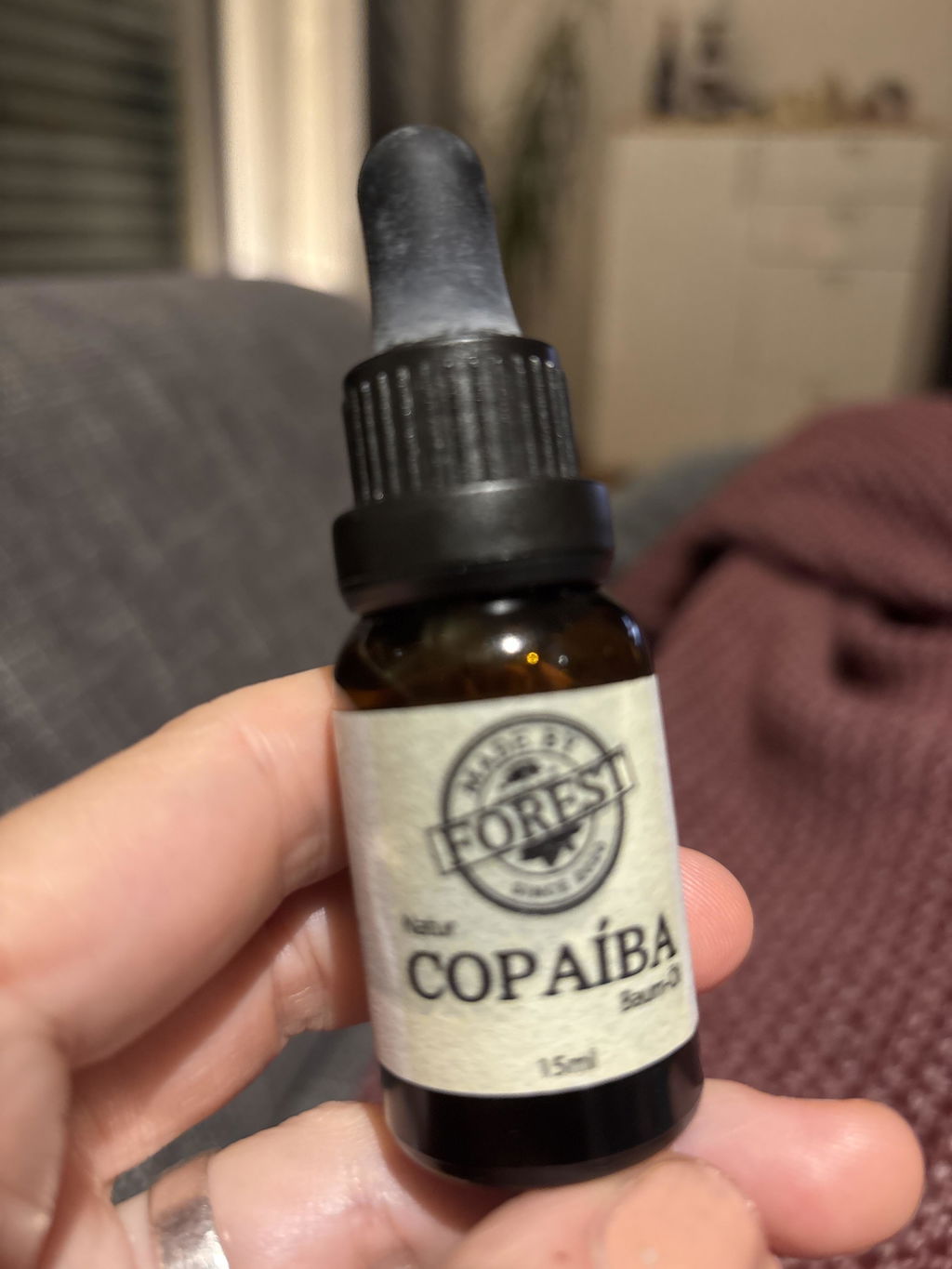
We work with indigenous communities to create sustainable alternatives that preserve the rainforest while improving people's livelihoods. Our products help make the forest more valuable standing than felled.
Through traditional methods and innovative approaches, we enable local value creation – for a sustainable future in which the Amazon and its inhabitants can thrive.


0 comments